
Ask someone to describe a drink’s flavour and there’s a good chance they’ll answer: “sweet.”
It’s an understandable response. Sweetness is often one of the first things we notice. But it isn’t the whole story.
Great flavour doesn’t come from a single sensation. It’s the result of sweetness, acidity, aroma, bitterness, mouthfeel, temperature, and many other elements working together to create balance in every sip.
Understanding that changes the way we think about flavour, whether you’re flavouring your morning coffee, creating a signature cocktail, or developing beverages for commercial production.
We’ve been trained to think sweet means flavour.
For decades, many beverages relied on sugar to carry the entire drinking experience. Sweeter often meant it had more flavour. But this mindset is changing.
Today’s consumers want beverages that taste full and satisfying, but they’re becoming more intentional about sweetness and increasingly drawn to layered, more nuanced flavour profiles.
This shift has encouraged both home creators and commercial brands to think differently about flavour.
When something feels like it’s missing, it’s easy to assume it needs more sweetness. Sometimes that’s true. But often, the answer lies somewhere else entirely. A little brightness. A touch more warmth. Better contrast. A hint of acidity.
Understanding what each element contributes helps bring everything together.
Flavour is more
than one thing.
When you take your first sip, your brain is processing far more than sweetness alone.
→ Aroma
→ Acidity
→ Bitterness
→ Mouthfeel
→ Temperature
Together, these elements create what we describe simply as flavour. That’s why two drinks with the same amount of sugar will taste completely different.
The Power of Perception.
Some ingredients naturally influence the way we perceive sweetness. There are many ways to shape that experience, but the goal remains the same: to reinforce character, bring balance, and help the flavours you want people to notice stand out.
Vanilla is one of the best-known examples. It doesn’t add sugar, but it has a remarkable ability to soften sharp edges, making a beverage feel rounder, smoother, and, in many cases, sweeter.
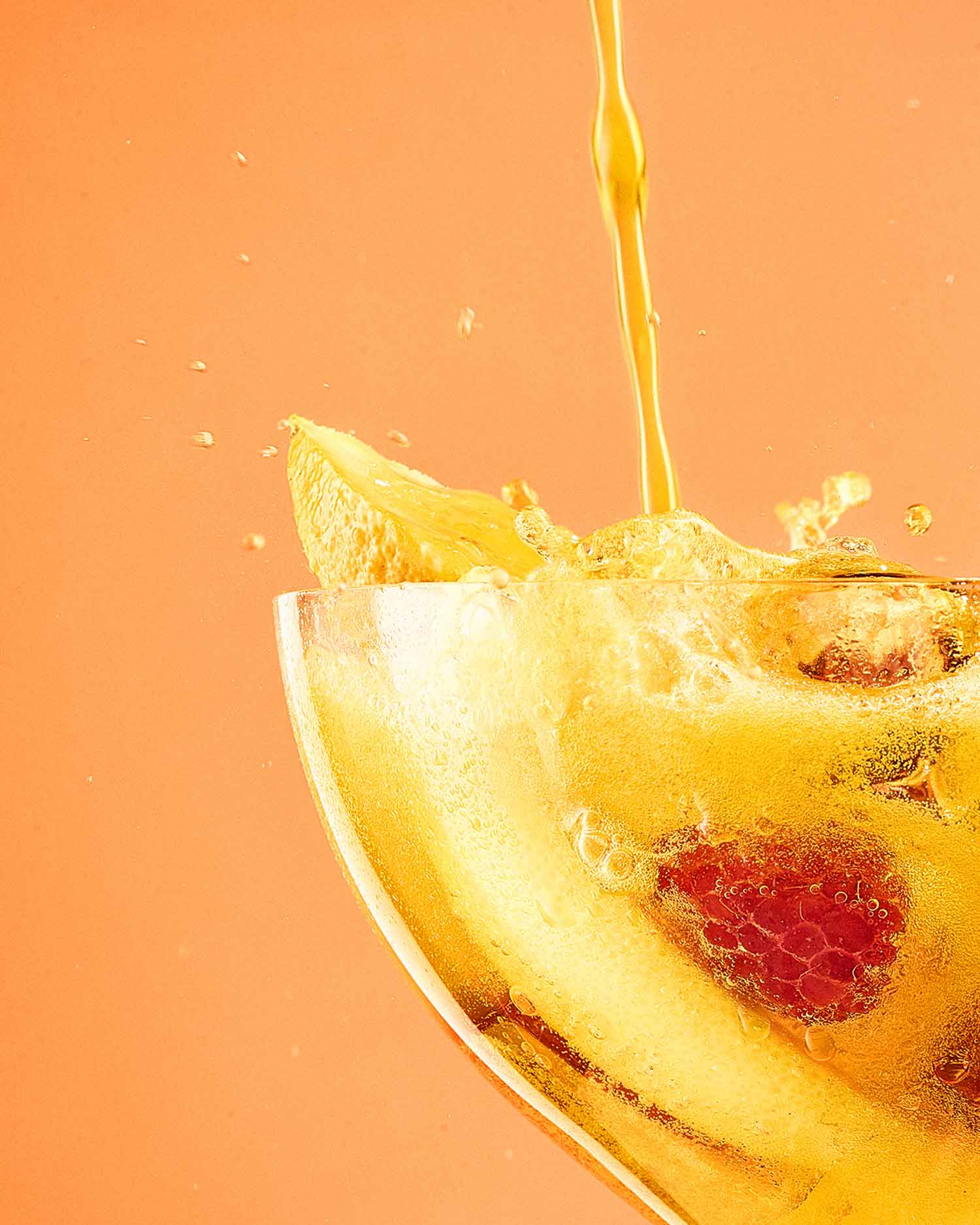
Citrus works differently. Rather than increasing sweetness, it adds brightness, helping fruit flavours, for example, taste fresher and more vibrant.
Salt or even spice, used carefully, can reduce bitterness, add contrast, and help other flavours shine.
These small additions to drinks often have a much bigger impact than simply adding more sugar ever could.
Curiosity leads to discovery
One of the easiest ways to think differently about flavour is to stop asking how to make a drink sweeter and start asking what it might be missing.
→ Does it need brightness?
→ Warmth?
→ Freshness?
→ Acidity?
→ A botanical note?
Sometimes the answer isn’t more sugar. It’s simply better balance.
That’s where flavour becomes more than an ingredient. It becomes another way to shape the experience, helping reinforce what’s already there, bring different elements into balance, or create something entirely new.
The next time you’re making a drink, and reach for the sugar, pause for a second and ask yourself:
→ Would a splash of citrus do more?
→ Would a vanilla profile help round it out?
→ Could a subtle botanical note make it feel more complete?
The best drinks rarely rely on sweetness alone. They’re the result of many elements working together.
Drink Different.
Flavour Accordingly.
Keep Exploring
→ Layering Flavour: Building Better Drinks
→ Why Citrus Makes Everything Taste Brighter
→ Dirty Sodas: What’s Old Is New Again
→ When Sweet Meets Savory